
Yoga Wrists
Patricia Hunt | FEB 13, 2022
Wrist Pain in Yoga
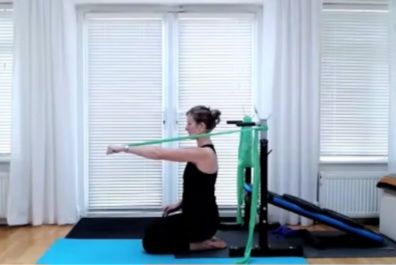
Have you ever been in Down Dog and all you could feel was your wrist?
Well you're not alone. Wrist pain in Yoga is pretty common, especially when we're new to the practice. I see it all the time, students stop and rub their wrists or they change position to fist support or forearm plank - all really great viable options by the way.
I feel your pain!
Just before I started my teacher training my wrist pain was so bad I thought that I would have to quit my beloved Yoga practice. Thankfully, I spoke to my course tutor and she assured me that we could work through it, around it and do whatever it took to overcome the issue. She didn't tell me it would go away but she assured me that working through it and figuring it out would ultimately make me a better Yoga teacher. So I stuck with it and I am so glad I did. Down God is no longer a pain in the wrists, or the shoulders for that matter, it is now truly a resting pose during sun salutations, as it is intended to be, a pose to find length in the spine, to build strength in the shoulders and to create a stretch sensation in the hamstrings and calves. If wrist pain is hindering your Yoga practice or making you question Yoga as a choice of movement practice, read on...
Why do we experience Wrist Pain in Yoga?
Well there are a number of reasons that we might experience wrist pain. Firstly, when we're new to the practice it is possible that we haven't taken our wrists into the position required to weight bear in a long time - we tend not to crawl around on the floor so much once we've learned how to walk 😊 and... our wrists and palms are more likely to live in a more closed, curved position, particularly if we spend a lot of time texting or typing!
So my first tip is to remember to keep your hands active, spread your palms and fingers, imprint all ten finger prints like your clawing the mat, making a suction cup shape with your hand and line your middle finger with the centre of your wrist.
Also, it is a weight bearing position so not only is it possible that this is a new position for the wrists but then we add some load to this new position, in the form of our body weight!
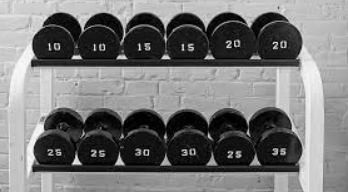
Now if you were to walk into a gym for the first time you'd likely select the lightest weight to start with and then gradually over time you could increase the weights that you choose to lift. However, when we're working with our body weight we simply don't have as many options so we've got to get creative with how we use our bodies to gradually increase the load. Thankfully there are lots of ways to do this, we can start with our knees down to reduce the load, we can reduce the time or the frequency in the loaded position to allow our wrist and shoulders to gradually develop strength and build tolerance to the load. It is important to remember that our bodies develop strength in response to the demands that we place on it so although resting the wrists when they're sore is really important it's also important to remember to gradually build tolerance to the load, little and often is a good way to start.
Aside from the wrist position and weight bearing it is also likely that shoulder and core strength play a vital part in the pressure that is felt on the wrists. When we're new to Yoga and just starting to build strength in all areas of our bodies it is likely that when we come to the floor on all fours and Down Dog that we collapse somewhat into our base, i.e. our wrists. Building strength throughout the body and in particular in the shoulders makes a huge difference to how we hold ourselves in wrist weight bearing positions.
Building strength throughout the entire body takes time and patience and most importantly consistency so keep practicing it will get easier I promise.
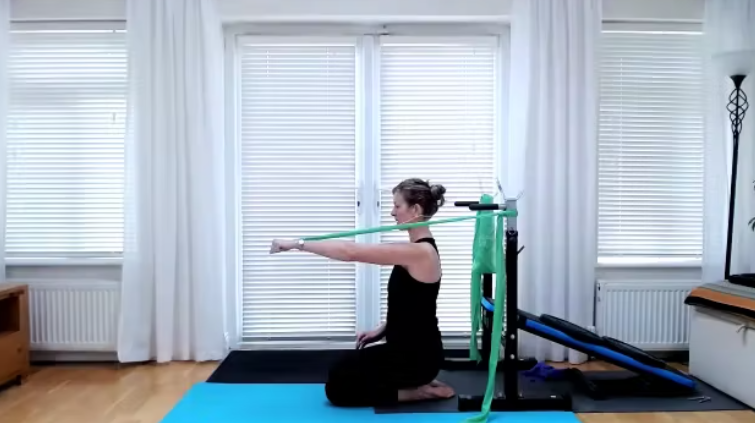
Finally, there are some really great strength building exercises that we can do to support our practice and in particular to support our wrists and shoulders. To help you to do just that I recently added a video to the On Demand Library that takes you through a strength building practice for the upper body with a focus on the wrists. It starts with some mobilisation and strength building work without props and moves on to using a resistance band to so that you can start to add load in a light and progressive manner. Check it out here. Remember the library is free for the first 5 days.
Stick with it, it's worth it I promise 🙏
Patricia Hunt | FEB 13, 2022
Share this blog post
Leave a message or Schedule a call back 📞


© 2026 Butterfly Yoga & Pilates